


PRP Treatment for Male Pattern Baldness: Achieve Thicker Hair with Natural Hair Restoration in Dunedin

Updated: Sep 27, 2024
Over 50% of men over the age of 50 experience male pattern baldness, also known as androgenetic or androgenic alopecia.
According to current surveys, more than 50% of men over the age of 50 experience male pattern baldness, also known as androgenetic or androgenic alopecia. Male pattern hair loss, thinning hair, a receding hairline, and other forms of balding are common aspects of the ageing process for men. Unfortunately, this can have negative effects on self-esteem and confidence, particularly in the case of early androgenetic alopecia. Until recently, the only options for hair loss treatment were daily medications such as topical minoxidil (Rogaine) or oral finasteride (Propecia). While these treatments can be beneficial, they require ongoing maintenance and may have some unwanted side effects. Thankfully, recent innovations in dermatology have introduced Platelet-Rich Plasma (PRP) therapy for hair regrowth—an effective treatment with no downtime that can successfully rejuvenate hair follicles on the scalp.
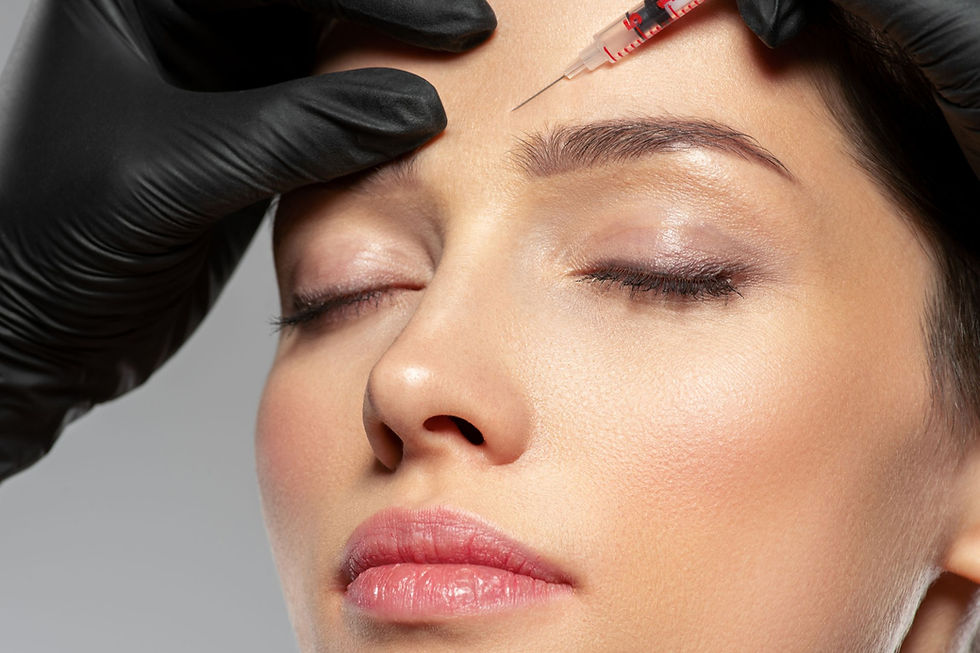
Platelet-rich plasma (PRP) therapy has become an extremely popular method of hair restoration treatment. PRP Treatment for Male Pattern Baldness in Dunedin.
PRP therapy has rapidly become a popular method for hair restoration in New Zealand. This non-surgical hair loss procedure uses the patient’s own blood to maximise growth factors at the treatment site, revitalising cells in a process that typically takes under 15 minutes. PRP injections have been used for a variety of regenerative therapies, including musculoskeletal and oral surgery procedures. High-profile athletes and celebrities, such as LeBron James and the late Kobe Bryant, have utilised PRP therapy—not only for sports injuries but also for hair restoration, including the treatment of male pattern baldness, female pattern baldness, and alopecia areata.
PRP treatment for hair restoration uses your own blood to ignite cell regeneration and growth at or near the injection site.
PRP treatment for hair restoration works by igniting cell regeneration and growth at or near the injection site using your own blood. A centrifuge separates your platelets and white blood cells, creating a serum with three times the normal platelet concentration. This serum is then injected into areas of the scalp exhibiting the most significant hair loss. PRP therapy helps to reactivate dormant hair follicles, increasing hair count, thickness, and the strength of hair roots. Additionally, PRP can be used alongside follicular unit excision (FUE) surgery, enhancing the quality of hairs before they are harvested for surgical hair transplants and promoting the growth of new hairs post-transplant.

Transform Your Hair with PRP Treatment for Male Pattern Baldness
If you’re struggling with unwanted male pattern baldness, PRP therapy offers a promising solution. Platelet-Rich Plasma (PRP) treatment has gained popularity as a non-surgical hair restoration method that can help you achieve thicker, healthier hair.
Why Choose PRP Therapy for Male Pattern Baldness?
Platelet-rich plasma is a highly concentrated serum derived from your own blood, rich in platelets and white blood cells. These components are vital for promoting tissue health, regeneration, and hair growth. Each platelet is packed with growth factors that revitalise hair follicles, increase blood vessel formation near the injection site, and enhance hair density.
Key growth factors in PRP that support hair restoration include:
Epidermal Growth Factor (EGF): Stimulates cell growth, collagen production, and blood vessel formation.
Fibroblast Growth Factor-2 (FGF-2): Promotes the development of blood vessels and specialised cells.
Insulin-like Growth Factor-1 (IGF-1): Regulates cellular physiology and has anabolic effects in adults.
Platelet-Derived Growth Factor (PDGF): Supports blood vessel regeneration, cell, and skin formation.
Transforming Growth Factor-Beta (TGF-b): Specialises in cellular growth matrix and bone metabolism.
Vascular Endothelial Growth Factor (VEGF): Triggers blood vessel formation and enhances scalp health.
How Does PRP Therapy Work?
PRP therapy involves separating platelets and plasma from your blood using a specialised centrifuge. The resulting platelet-rich plasma is then injected into targeted areas of your scalp to stimulate hair growth. Initially developed for hair rejuvenation in women, PRP has since proven effective for men experiencing androgenetic alopecia or thinning hair.
Most patients require an initial series of four PRP treatment sessions, each spaced approximately four weeks apart, to achieve optimal results. After completing the initial series, maintenance treatments are recommended on a quarterly, bi-annual, or annual basis to sustain the best results. PRP therapy is minimally invasive with no downtime, making it a convenient option for busy individuals.
Post-Treatment Care for PRP Therapy
While PRP is a low-maintenance procedure, certain aftercare steps can enhance your results. Patients are advised to avoid strenuous exercise and hair washing for 24 hours post-treatment. Additionally, alcohol, tobacco, and hair styling products should be avoided for three days to prevent swelling at the injection sites.
PRP therapy has become an increasingly popular choice for men seeking non-surgical hair restoration options. With consistent treatments and proper aftercare, PRP can help you regain confidence with fuller, healthier hair.

How Does PRP Treatment Work for Hair Growth?
Platelet-Rich Plasma (PRP) therapy is a cutting-edge hair growth treatment that harnesses growth factors from your own blood to stimulate new hair growth and enhance cell regeneration. Originally explored in dermatology, plastic surgery, and musculoskeletal healing due to its remarkable wound-healing properties, PRP has gained recognition in recent years as a highly effective hair restoration solution. When injected into areas of the scalp affected by hair loss, PRP boosts blood supply to the hair follicles and increases hair shaft thickness. This dual action helps prevent further hair loss while encouraging the growth of new hair, leading to thicker, fuller, and healthier hair.
A typical PRP treatment plan involves four sessions spaced approximately four weeks apart. While individual results may vary, most patients notice improvements after just a few sessions, with the most significant results visible within three to six months. The result is enhanced hair density that can last for an extended period.
What Causes Male Pattern Baldness?
Male pattern baldness, also known as androgenic alopecia, is characterised by a receding hairline and thinning hair at the crown. While the exact cause remains unclear, it is generally attributed to a combination of genetic and hormonal factors. Men with a family history of hair loss are more likely to experience male pattern baldness. A key factor in this condition is the presence of the male hormone dihydrotestosterone (DHT), which can cause hair follicles to shrink over time. This shrinkage weakens the hair and shortens its lifespan, eventually leading to the cessation of hair growth altogether.
Is PRP Effective for Male Pattern Baldness?
Yes! PRP is a highly effective treatment for various types of hair loss, including male pattern baldness, female pattern hair loss, telogen effluvium, and alopecia areata. Numerous studies, including those published in the Journal of Cosmetic Dermatology and Aesthetic Plastic Surgery, have demonstrated significant improvements in hair regrowth among patients treated with PRP injections. Research has shown that PRP therapy can lead to noticeable improvements in hair growth, hair count, and hair thickness, making it a powerful option for those seeking to combat hair loss.
To achieve optimal results, patients typically undergo an initial series of four PRP treatment sessions, each spaced about four weeks apart. It's crucial to consult with an experienced board-certified dermatologist to determine whether you are a suitable candidate for PRP therapy. During your consultation, your dermatologist will conduct a thorough medical and family history review, assess your hair and scalp, and may order lab tests to identify any underlying factors contributing to your hair loss. This ensures that your treatment plan is tailored to your specific needs and condition.
Are There Any Potential Side Effects of PRP Treatment?
PRP treatment is a minimally invasive cosmetic procedure with very few potential side effects, thanks to its reliance on your body's own growth factors. Some patients may experience temporary inflammation or tenderness at the injection sites, but this typically resolves within 24 hours. The safety and satisfaction of patients are of utmost importance, and when administered by an experienced professional, PRP therapy is a safe and effective option for hair restoration.

How Long Does PRP Take to Work on Men’s Hair?
Hair restoration is a gradual process that requires patience. Typically, four PRP treatment sessions are recommended, each spaced approximately four weeks apart. While individual results may vary, most patients begin to notice improvements in hair condition after just a few sessions. However, it may take three to six months for the full results to become visible. The primary cosmetic benefits of PRP treatment include increased hair density by preventing further hair loss and promoting new hair growth. After completing the initial series of PRP treatments, many patients opt for quarterly, bi-annual, or annual maintenance sessions to sustain the optimal benefits of PRP therapy. When you undergo platelet-rich plasma injections for male pattern baldness, it's crucial to work with a skilled professional who can tailor a treatment timeline to meet your specific needs and goals.
Can PRP Stop Male Pattern Baldness?
PRP treatment is an excellent option for revitalising hair follicles on the scalp, enhancing their ability to produce new hair growth. By improving hair growth and activating more follicles, PRP can effectively reduce and even reverse the signs of male pattern baldness. Although there is no definitive cure for male pattern baldness, therapies like PRP injections can help mitigate the visible effects of balding or thinning hair. PRP can also be combined with other hair restoration procedures to maximise results. Typically, patients undergo four PRP treatment sessions spaced 4-6 weeks apart. Since all non-invasive hair regrowth solutions require ongoing maintenance, the natural pattern of hair loss may resume after about a year. To maximise hair growth, patients often choose to continue with annual or semi-annual maintenance PRP treatments.
Does PRP Reverse Male Pattern Baldness?
PRP is designed to reverse the appearance of thinning hair, a receding hairline, and other early signs of hair loss. However, it is most effective for patients experiencing the initial stages of male pattern baldness. PRP treatment enhances the health of hair follicles to stimulate hair growth, but if a follicle is already dormant, it is unlikely to be restored. PRP hair restoration is often associated with stem cell hair restoration because of its ability to stimulate hair follicles and promote regrowth. The procedure is particularly effective for men experiencing thinning hair or early hair loss, rather than those with completely bald areas. A good rule of thumb is to assess the texture of the hair: if the scalp is smooth, PRP is unlikely to regrow hair in those areas.

How Does PRP Work for Hair Loss?
If you're curious about how PRP works for male pattern baldness, the process is straightforward. Your journey begins with an initial consultation where your medical history will be reviewed, and your scalp and hair examined. This step is crucial for exploring all possible hair growth treatments and developing a tailored hair restoration plan.
During the PRP treatment, a small blood sample will be taken and placed into a centrifuge to separate the platelet-rich plasma. To ensure your comfort, a topical numbing cream will be applied to your scalp. Once the PRP is ready, it is carefully injected into the areas with the most noticeable hair thinning. The entire procedure takes about 30 minutes, and you can resume normal activities immediately. However, it’s advised to avoid intensive exercise on the day of the procedure and wait until the next day to wash your hair.
How Much Does PRP for Men’s Hair Loss Cost?
The cost of PRP treatment can vary depending on the extent of hair restoration required. PRP procedures can also be combined with other treatments, such as microneedling or hair transplant surgery. Each case of hair loss is unique, so it’s essential to review your medical history and treatment options during your consultation.
Does PRP Work for Hair Loss in Men?
Absolutely! Platelet-rich plasma injections, especially when combined with the right oral medications and topical treatments, are effective for treating various types of hair loss in men, including androgenetic alopecia. It’s vital to consult with an experienced board-certified dermatologist to ensure that PRP is the right treatment for you. Certain conditions, such as autoimmune disorders, low platelet count, active infections, blood disorders like anaemia, or smoking, may make you ineligible for PRP. During your consultation, a thorough medical and family history will be taken, your scalp and hair condition assessed, and possibly laboratory tests ordered to identify underlying factors. This comprehensive approach ensures that your PRP treatment is tailored to your specific needs.
Does PRP Actually Regrow Hair?
Yes! Studies have demonstrated that PRP injections can significantly improve hair density by preventing further hair loss and promoting new growth. PRP enhances the number of hairs on the scalp, the overall health of hair follicles, and the strength and thickness of the hair. It also prolongs the hair growth phase. PRP is effective in treating various types of hair loss, including androgenetic alopecia, telogen effluvium, and alopecia areata, helping to regrow hair and prevent additional loss.
What is the Downside of PRP?
While PRP is an excellent option for hair restoration, the most challenging aspect for many patients is the wait for visible results, as hair restoration takes time. Although some improvement can be seen after a couple of sessions, it can take up to six months for full results to be evident. Despite the gradual progress, patients often find that the long-term benefits of PRP for hair restoration are worth the wait. To maximise your results and ensure thicker, fuller, and healthier hair, it’s essential to consult with an experienced dermatologist as soon as you notice signs of hair thinning or loss. Starting early with hair restoration treatments can significantly improve your chances of success.
Does PRP Work if You Are Bald?
PRP treatment is not effective for bald areas of the scalp where hair follicles no longer exist. PRP cannot revitalise dead hair follicles or regrow new ones. This is why it’s critical to consult with a hair loss expert as soon as you notice any signs of thinning or hair loss. Early intervention with treatments like PRP can yield the best results by preserving and stimulating existing hair follicles.

How Do PRP Injections for Hair Loss Work?
The process of having PRP injections for male hair loss is straightforward. Platelet-rich plasma (PRP) is a serum derived from a sample of the patient’s own blood, enriched with a high concentration of platelets. After the blood sample is collected, it is spun in a centrifuge to separate the plasma from the red blood cells. The resulting PRP is then drawn into sterile syringes. The PRP is injected into areas of the scalp affected by hair loss, where it enhances blood supply to the hair follicles and increases the thickness of hair shafts. This procedure not only helps prevent further hair loss but also stimulates new hair growth. To achieve optimal hair restoration results, most patients require an initial series of approximately four PRP treatment sessions, each spaced four weeks apart.
Get Started with PRP Treatment for Male Pattern Baldness Today
When considering male pattern hair loss treatments, there are several options available. Traditional treatments include topical solutions like minoxidil, which require daily application and can be inconvenient for some. Additionally, while minoxidil can be effective for hair regrowth, it may lead to unwanted side effects, such as excess hair growth in undesired areas or weight gain. Oral treatments like finasteride are also commonly prescribed but can carry risks, including potential sexual side effects.
PRP treatment offers a modern, minimally invasive approach to treating male pattern baldness. With no downtime and minimal side effects, it has become a preferred option for many seeking hair restoration. PRP therapy is often used alongside hair transplant procedures to enhance results, strengthen hair follicles, and promote new hair growth. It’s important to note that only a certified medical professional should perform PRP injections to ensure safety and efficacy.
If you’re looking to combat male pattern baldness and restore hair thickness and density, PRP treatments could be the solution you’ve been waiting for. This innovative therapy is designed to revitalise hair follicles and promote healthy hair growth without the need for invasive surgery. To explore your options and develop a personalised treatment plan tailored to your specific needs, contact us today to schedule a consultation.


Comments