


Understanding Tension Headaches in Dunedin and Effective Treatment Options

Tension headaches affect many people in Dunedin, often causing persistent discomfort that interferes with daily life. Recognising the signs and understanding treatment options can help those suffering find relief and improve their quality of life. This article explores what tension headaches are, their common causes, and how medical treatment in Dunedin can support recovery.

What Tension Headaches Are
Tension headaches, also called tension-type headaches, are the most common form of headache worldwide. They arise primarily from muscle tension in the head, neck, and shoulders. This muscle-driven mechanism causes a dull, pressing pain that many describe as a tight band squeezing around the head.
Typical symptoms include:
A steady, non-pulsing pain often felt on both sides of the head
A sensation of tightness or pressure, like a band wrapped around the forehead
Tenderness in the scalp, neck, or shoulder muscles
Tension headaches differ from migraines, which usually involve throbbing pain, sensitivity to light or sound, and sometimes nausea. They also differ from occipital nerve headaches, which cause sharp, shooting pain at the base of the skull.
Common Causes of Tension Headaches
Several factors contribute to tension headaches, especially those related to muscle strain and stress. Common causes include:
Prolonged poor posture, such as sitting hunched over a computer or mobile device
Extended screen use without breaks, leading to eye strain and neck tension
Emotional or physical stress that increases muscle tightness in the head and neck
Overactivity of neck, shoulder, and jaw muscles, sometimes linked to teeth grinding (bruxism)
Poor sleep quality and fatigue, which reduce the body’s ability to relax muscles
These factors often combine, creating a cycle where muscle tension leads to headache pain, which in turn increases stress and muscle tightness.
Medical Management Options for Tension Headaches in Dunedin
Effective treatment starts with an accurate diagnosis and clinical assessment to confirm the headache type and identify contributing factors. Medical management focuses on reducing muscle tension and addressing trigger points.
Key treatment approaches include:
Muscle relaxation techniques, such as physiotherapy and targeted exercises to relieve neck and shoulder tightness
Trigger-point management through manual therapy or dry needling to ease muscle knots
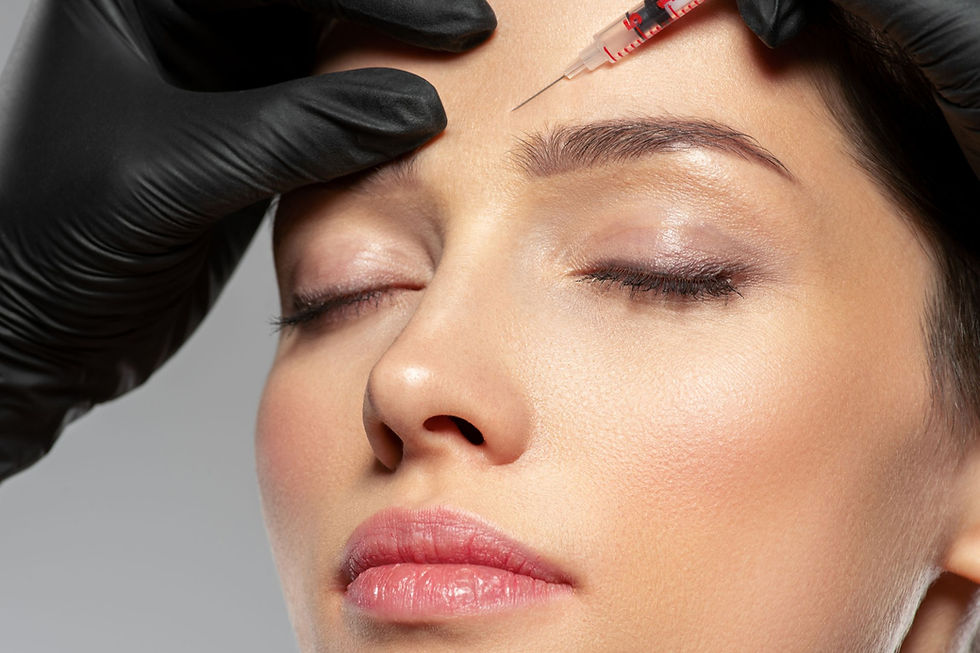
Botox injections, which may be considered for chronic or refractory tension headaches driven by persistent muscle contraction
Botox works by relaxing overactive muscles and can reduce headache frequency and intensity in some patients. However, it is not suitable for everyone and requires careful assessment by a medical professional.
Why Patients Seek Assessment for Tension Headache in Dunedin
Many people in Dunedin seek medical help when their headaches become recurrent and do not improve with over-the-counter pain relief. The impact on work, concentration, and overall quality of life often motivates patients to look for evidence-based, medically guided care.
Patients want:
A clear diagnosis to understand their condition
Treatment plans tailored to their specific headache pattern and muscle tension
Support from healthcare providers who take a patient-centred, ethical approach
Access to specialised headache clinics in Dunedin offers patients the chance to receive comprehensive assessment and personalised treatment.
What to Expect at Dunedin Medical & Aesthetics Clinic with Dr Lee
At the Dunedin Medical & Aesthetics Clinic, Dr Lee provides thorough assessment and management for tension headaches. The process includes:
Detailed review of headache history and symptom patterns
Physical examination focusing on neck, jaw, and muscle tension
Discussion of appropriate treatment options, including conservative therapies and medical interventions
A patient-centred approach that respects individual needs and preferences
This careful evaluation ensures that treatment targets the root causes of tension headaches and supports long-term relief.
Benefits and Considerations of Treatment
Treatment for tension headaches can reduce the frequency and intensity of pain, improving daily functioning. However, it is important to understand:
Not all headaches are tension-type; accurate diagnosis is essential
Treatment may not cure headaches but can manage symptoms effectively
Suitability of treatments like Botox varies depending on individual cases
Patients should maintain realistic expectations and work closely with their healthcare provider to find the best approach.
Frequently Asked Questions
How are tension headaches diagnosed?
Diagnosis involves clinical history, symptom description, and physical examination to rule out other headache types.
How do tension headaches differ from migraines?
Tension headaches cause steady, pressing pain without the nausea or light sensitivity typical of migraines.
When can I expect improvement with treatment?
Improvement timelines vary; some patients notice relief within weeks, while others require ongoing management.
Are physiotherapy and posture correction safe and effective?
Yes, these are safe, non-invasive methods that help reduce muscle tension and prevent headaches.


The article provides a detailed overview of tension headaches, highlighting their causes and treatment options available in Dunedin. It’s interesting that treatment emphasizes a personalized approach, particularly around the use of Botox, which can be effective for some patients. However, it’s crucial to note that the response to Botox depends on individual cases. Understanding https://rollxo-nz.net/ Rollxo and its role in treatment could further enhance patient care.