


Comprehensive Guide to PRP Hair Regrowth for Thinning Hair in Dunedin NZ

Thinning hair and patchy regrowth affect many men and women in Dunedin, creating concerns about appearance and confidence. Platelet-rich plasma (PRP) therapy has emerged as a promising option for those seeking a natural, minimally invasive treatment to improve hair density and follicle health. This guide explains what causes thinning hair, how PRP works, why it is chosen by patients in Dunedin and New Zealand, and what to expect from treatment at Dunedin Medical & Aesthetics Clinic with Dr Lee.
What Causes Thinning Hair and Patchy Regrowth in Men and Women
Hair loss and thinning happen when the natural hair growth cycle is disrupted. Understanding this cycle helps explain why hair density decreases or patchy areas appear.
The Hair Growth Cycle
Hair grows in three main phases:
Anagen (growth phase): Lasts 2 to 6 years. Hair actively grows from follicles.
Catagen (transition phase): Lasts about 2 weeks. Hair growth slows and follicles shrink.
Telogen (resting phase): Lasts 2 to 3 months. Hair rests before shedding and new growth begins.
When this cycle is disturbed, hair follicles may shrink (miniaturize), leading to thinner, weaker hair and visible scalp areas.
Common Causes of Thinning Hair and Patchy Regrowth
Genetic factors: Androgenetic alopecia is the most common cause, affecting both men and women with inherited sensitivity to hormones.
Hormonal shifts: Changes during pregnancy, menopause, or thyroid imbalances can disrupt hair growth.
Stress: Physical or emotional stress can push hair follicles into the resting phase prematurely.
Inflammation: Scalp conditions like dermatitis can damage follicles.
Traction: Hairstyles that pull hair tightly cause follicle damage.
Postpartum changes: Hormonal fluctuations after childbirth often lead to temporary shedding.
Signs and Symptoms
Reduced hair density across the scalp
Widening of the part line, especially in women
Patchy areas with visible scalp
Miniaturisation of hair follicles producing thinner, shorter hairs
How PRP Works for Hair Regrowth
PRP therapy uses the patient’s own blood components to stimulate hair follicles and improve scalp health.
What is PRP?
Platelet-rich plasma is a concentration of platelets derived from a small blood sample. Platelets contain growth factors that support tissue repair and regeneration.
Mechanism of Action
Stimulates dormant follicles: Growth factors in PRP activate follicles stuck in the resting phase.
Improves blood supply: PRP encourages new blood vessel formation, delivering nutrients to hair roots.
Reduces inflammation: It calms scalp inflammation that can harm follicles.
Enhances follicle activity: Over time, follicles produce thicker, stronger hair strands.
Suitability for Men and Women
PRP works for both genders and is especially effective in early to moderate thinning. Results vary based on individual biology, overall health, and commitment to treatment sessions.

Why Patients in Dunedin and New Zealand Choose PRP for Hair Loss
PRP hair treatment has gained popularity in Dunedin and across New Zealand for several reasons:
Natural treatment: Uses your own plasma, avoiding foreign substances or chemicals.
Evidence-based: Clinical studies support PRP’s ability to activate hair follicles and improve hair growth.
Minimally invasive: Injections are quick, with minimal discomfort and downtime.
Effective for early to moderate thinning: Ideal for those noticing initial hair loss or patchy regrowth.
Alternative when other treatments fail: Suitable for patients who cannot tolerate topical or oral medications.
Complements other therapies: PRP can be combined with medical treatments for enhanced results.
Benefits and Clinical Considerations of PRP Hair Restoration
Benefits
Targets the root cause by reactivating weak or dormant follicles
Improves hair density, texture, and reduces shedding
Uses your own plasma, eliminating risk of allergic reactions
Safe and well-tolerated with minimal side effects
Clinical Considerations
PRP is not a miracle cure; it works best as part of a layered treatment plan
Multiple sessions are required, usually spaced 4 to 6 weeks apart
Results depend on individual factors such as age, health, and severity of hair loss
Ethical providers like Dunedin Medical & Aesthetics Clinic set realistic expectations without overpromising
What to Expect at Dunedin Medical & Aesthetics Clinic with Dr Lee
At Dunedin Medical & Aesthetics Clinic, Dr Lee offers a comprehensive approach to PRP hair restoration tailored to each patient’s needs.
Initial consultation: Assessment of hair loss pattern, scalp health, and medical history
Customized treatment plan: Number of sessions and combination with other therapies
PRP preparation: Blood is drawn and processed to isolate platelet-rich plasma
Treatment procedure: PRP is injected into targeted scalp areas using fine needles
Follow-up care: Monitoring progress and adjusting treatment as needed
Patients can expect a safe, professional environment in Roslyn, Dunedin, with a focus on natural, evidence-based hair thinning treatment.

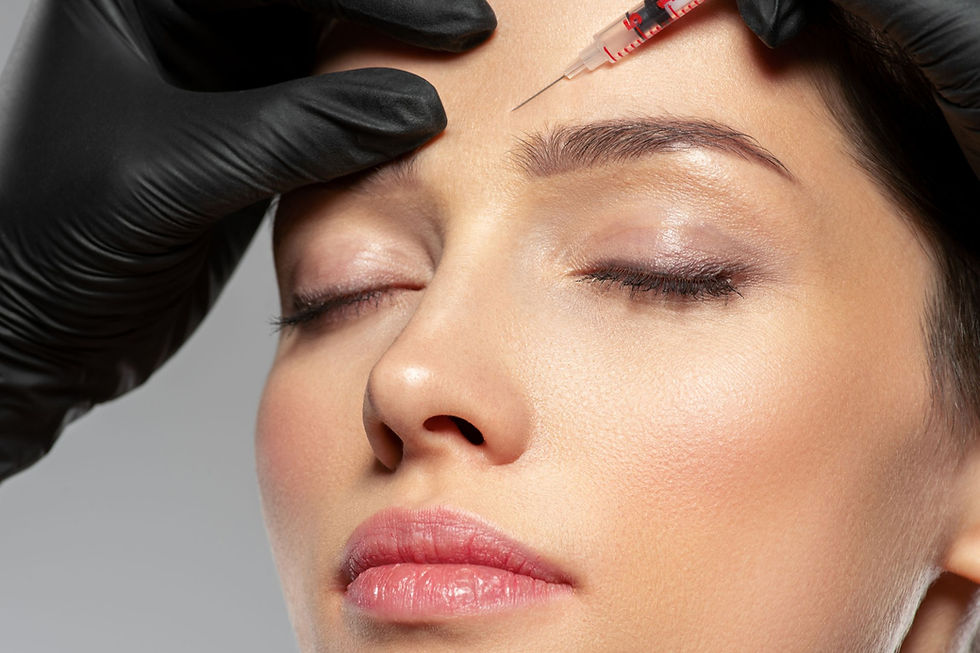
The discussion around hair loss treatments is increasingly relevant, especially considering the various factors contributing to thinning hair. The appeal of PRP therapy is clear, particularly its focus on natural components. However, it's worth noting that as with any treatment, results may vary significantly among individuals. The potential for PRP therapy at Mummys Gold https://mummysgold.geek.nz/ should be understood within the broader context of personalized healthcare options available.